Why Do Car Batteries Die More Often When the Weather Gets Cold?
Cold weather can make it harder for your car battery to deliver enough power to start your engine. As temperatures drop, the chemical reactions inside a traditional car battery slow down, reducing its available starting power. At the same time, your engine may require more energy to start, especially during freezing weather.
For drivers throughout the Poconos, chilly fall mornings can be an early warning that a car battery is beginning to weaken. A vehicle that started without problems during summer may suddenly struggle when temperatures fall.
At Murray's Towing, we understand how frustrating it can be to discover that your vehicle won't start when you need to get somewhere. Our team provides dependable roadside assistance in the Poconos, including battery jump-start assistance, to help drivers dealing with unexpected vehicle trouble.
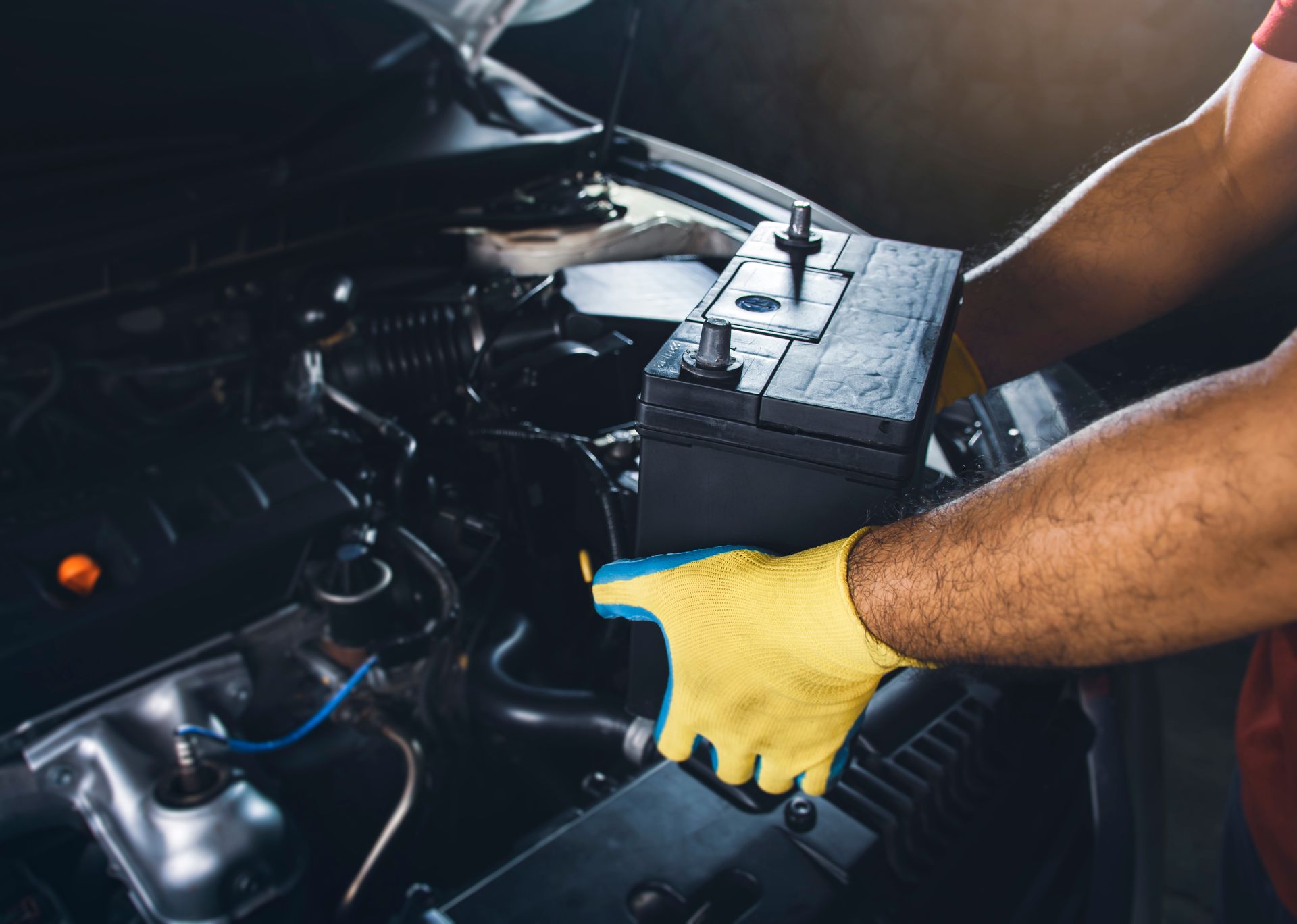
Why Do Car Batteries Lose Power in Cold Weather?
Most traditional gasoline-powered vehicles use a lead-acid battery to supply the electrical energy needed to start the engine. This battery depends on chemical reactions to produce electricity.
When temperatures decrease, those reactions become less efficient. As a result, the battery may struggle to provide the power necessary to turn over the engine.
Cold weather can affect your battery in several ways:
- Reduced starting power: Lower temperatures limit how much electrical current the battery can deliver.
- Increased engine resistance: Cold engine oil and other factors can make the engine harder to turn over.
- Existing battery weakness: An aging battery may not have enough reserve capacity to handle colder conditions.
- Short driving trips: Frequent short trips may not give the charging system enough time to replenish the battery.
- Previous heat damage: Summer heat can accelerate battery deterioration, with the effects becoming noticeable when temperatures drop.
According to AAA's cold-weather battery guidance, batteries can lose substantial available power in freezing conditions while engines require additional energy to start.
This combination explains why battery problems often become more noticeable as fall turns into winter.
What Are the Warning Signs of a Weak Car Battery?
A battery does not always fail without warning. In many cases, your vehicle may show signs of reduced battery performance before it stops starting altogether.
Common signs of a weak car battery include:
- The engine cranks more slowly than usual.
- You hear clicking sounds when turning the key or pressing the start button.
- Headlights or interior lights appear dimmer than normal.
- The vehicle struggles to start after sitting overnight.
- Electrical accessories behave inconsistently.
- Corrosion appears around the battery terminals.
- The battery is several years old and has not been tested recently.
These symptoms do not always mean the battery is the problem. A failing alternator, loose electrical connection, or starter issue can cause similar problems.
If you notice repeated starting difficulties, having your battery and charging system professionally inspected can help identify the cause before you become stranded.
Can a Car Battery Die Overnight in Cold Weather?
Yes, a weak or partially discharged car battery may fail to start your vehicle after sitting overnight in cold weather.
A temperature drop does not necessarily mean a healthy battery has suddenly lost all its charge. Instead, cold temperatures reduce the battery's available starting power. If the battery was already weakened, the remaining power may not be sufficient to start the engine.
This is particularly important during fall and winter in the Pocono Mountains, where colder overnight temperatures can make existing battery problems more noticeable.
If your vehicle starts normally during warmer afternoons but struggles on cold mornings, consider having the battery tested before the problem becomes more serious.
How Can You Prevent Your Car Battery From Dying This Fall?
Although cold weather cannot be controlled, regular vehicle maintenance can reduce your chances of experiencing an unexpected dead battery.
Here are several ways to prepare your battery for colder temperatures:
- Have your battery tested. A professional battery test can help identify declining performance before the battery fails.
- Check the battery's age. Many conventional car batteries last approximately three to five years, depending on driving habits, maintenance, and environmental conditions.
- Inspect battery connections. Corroded or loose terminals can interfere with electrical performance.
- Avoid unnecessary electrical use. Make sure lights and accessories are turned off when the engine is not running.
- Limit repeated short trips. Longer drives can help the charging system replenish battery power, although a deeply discharged battery may require proper charging.
- Park in a sheltered location when possible. A garage can help reduce exposure to extreme overnight temperatures.
- Address starting problems early. Slow cranking or repeated jump-starts should not be ignored.
The AAA winter car care checklist also recommends inspecting the battery, charging system, cables, and terminals before colder weather arrives.
Taking these steps during October can help you prepare for the colder driving conditions that typically follow.
What Should You Do If Your Car Won't Start in Cold Weather?
If your vehicle will not start on a cold morning, avoid repeatedly attempting to crank the engine for long periods. Repeated attempts can further drain an already weak battery.
Start by checking whether your headlights, interior lights, or dashboard displays are working normally. Dim lights or clicking sounds may indicate insufficient battery power.
If you suspect a dead battery, a jump-start may help get the vehicle running again. However, jump-starting must be performed according to the vehicle manufacturer's instructions, especially for vehicles with specialized electrical systems.
Do not attempt to jump-start a battery that appears frozen, cracked, swollen, or leaking.
If the vehicle starts but continues experiencing electrical problems, the battery or charging system may need professional attention.
If your vehicle still will not start after a jump, our guide on why your car won't start after a battery jump explains several possible causes.
Murray's Towing Blog