Why You Should Check Your Tire Pressure as the PA Weather Warms Up
As winter fades and temperatures rise across Pennsylvania, many drivers focus on cleaning their vehicles or planning spring road trips. One often overlooked task is checking tire pressure. Understanding why you should check your tire pressure as the PA weather warms up helps protect your vehicle, improve safety, and prevent unexpected roadside issues.
How Temperature Changes Affect Tire Pressure
Tire pressure naturally fluctuates with temperature. As air warms, it expands, increasing pressure inside the tire. Cold winter air causes pressure to drop, while spring warming can push tires beyond recommended levels.
Even small temperature shifts can significantly affect tire pressure, making seasonal checks essential.
The Risks of Driving With Incorrect Tire Pressure
Improper tire pressure impacts more than ride comfort. Both underinflated and overinflated tires create safety concerns.
Driving with incorrect tire inflation can lead to:
- uneven tread wear
- reduced traction
- longer braking distances
- increased risk of blowouts
Maintaining proper pressure supports safer driving conditions.
Why Spring Is a Critical Time for Tire Checks
Winter driving often masks tire pressure problems. Snow and ice reduce traction regardless of tire condition, but spring driving exposes these issues.
Checking tire pressure in spring helps drivers transition safely into warmer weather and higher driving speeds.
Fuel Efficiency and Tire Pressure
Properly inflated tires reduce rolling resistance, allowing vehicles to operate more efficiently. Underinflated tires force engines to work harder, increasing fuel consumption.
Maintaining correct tire pressure supports better fuel economy and reduces unnecessary wear on your vehicle.
How to Check Tire Pressure Correctly
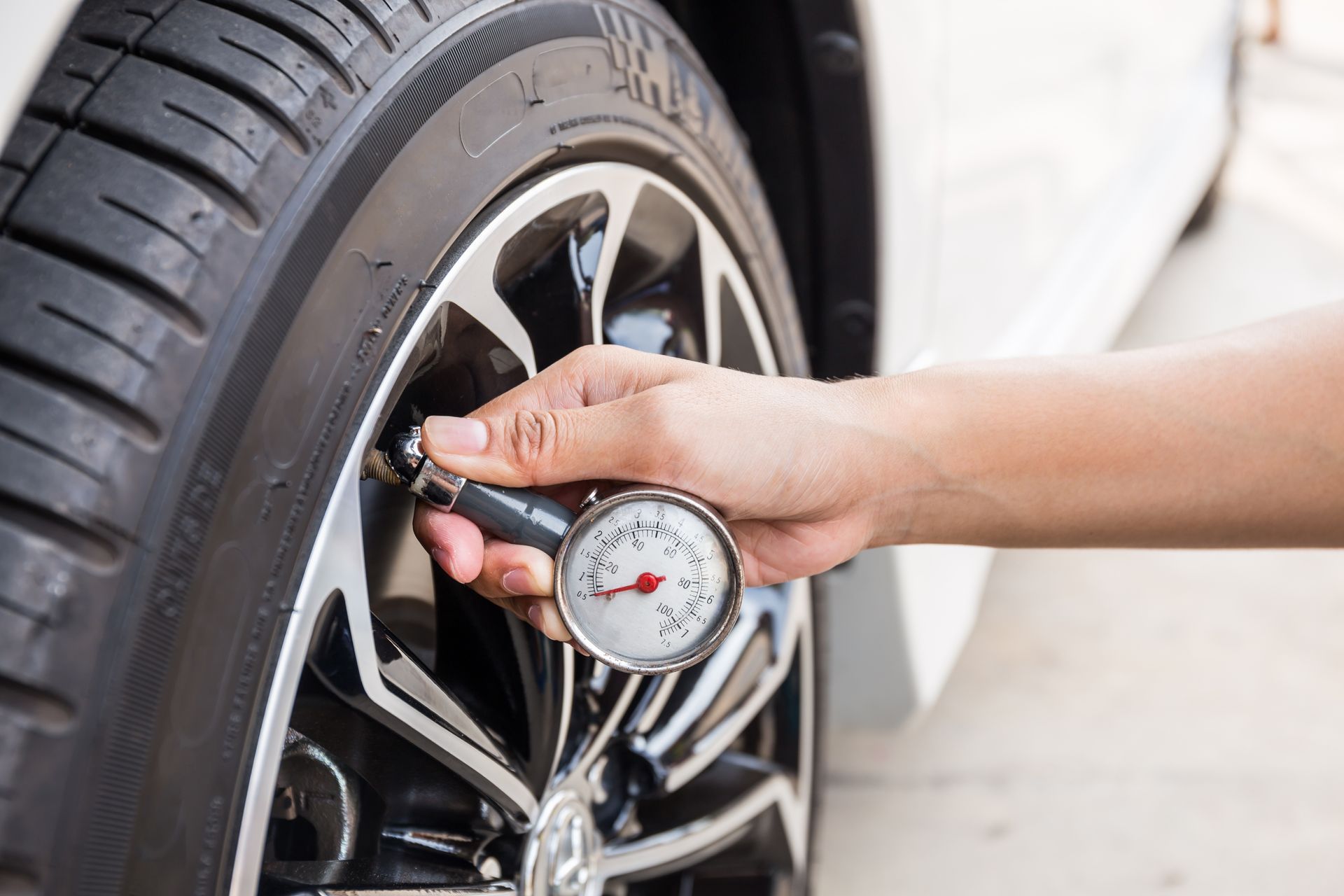
Checking tire pressure is simple and should be done when tires are cold. Use a reliable pressure gauge and compare readings to the manufacturer’s recommended levels found on the driver-side door jamb.
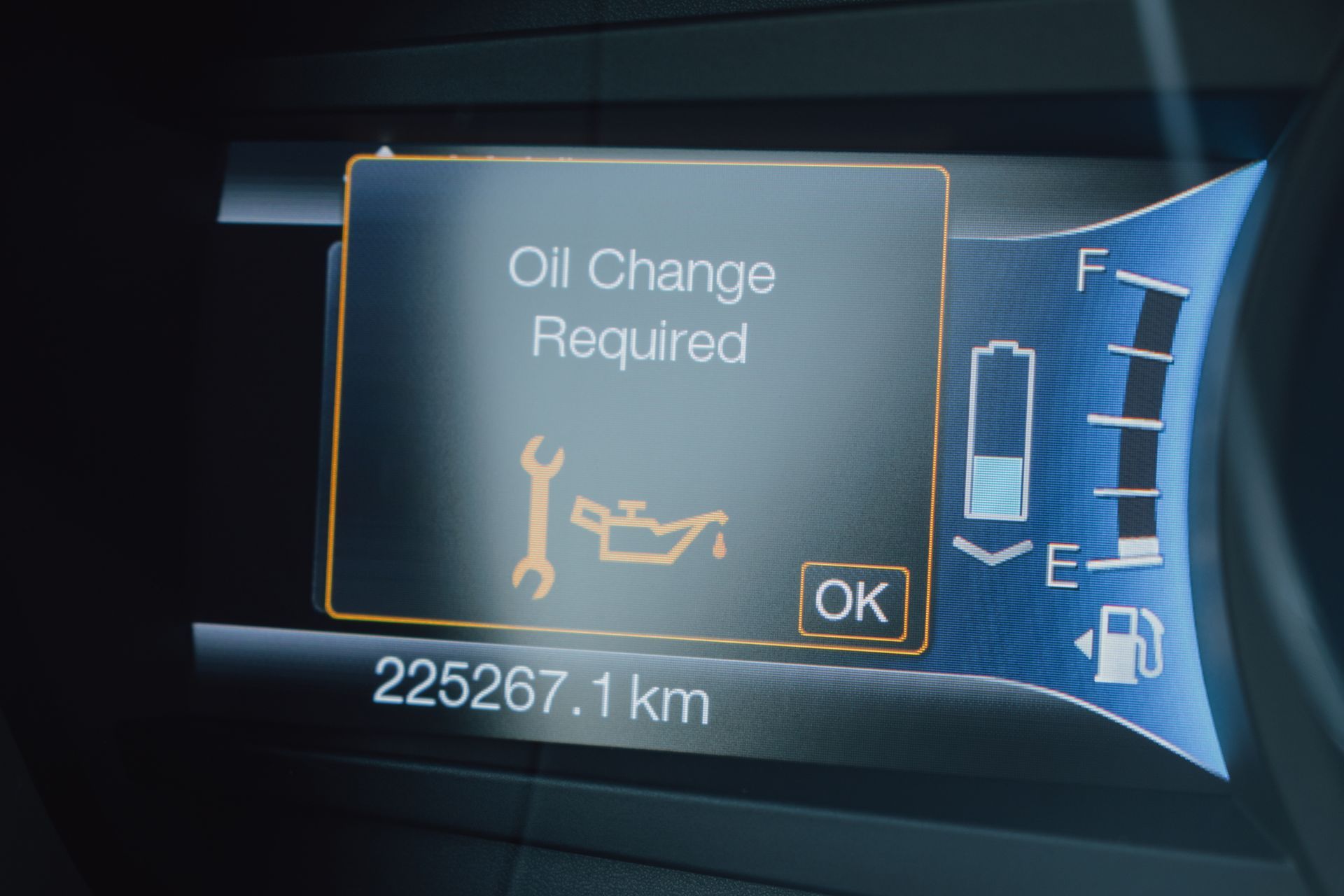
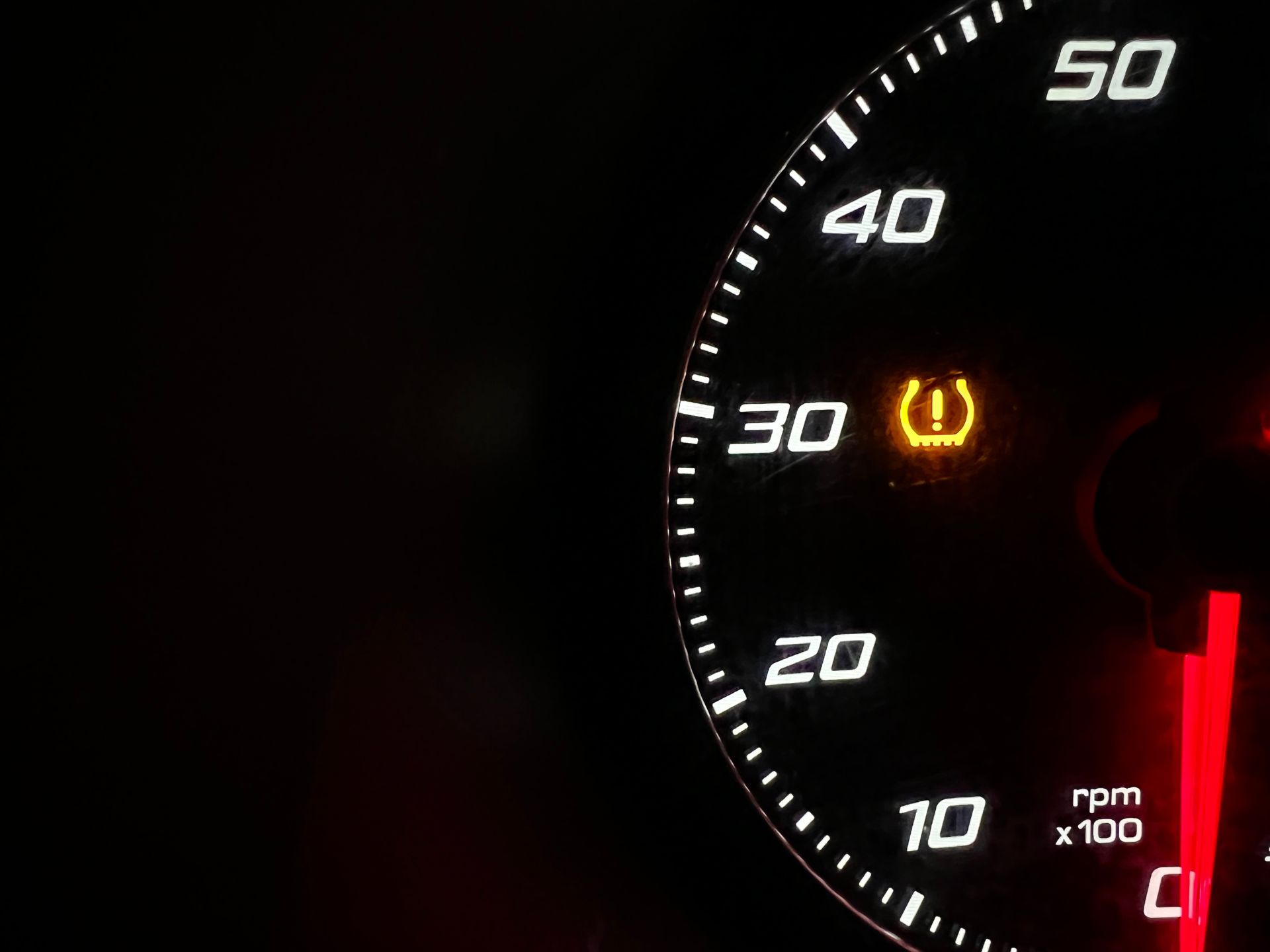
Avoid relying solely on dashboard warning lights, as they often activate after pressure has already dropped significantly.
Signs Your Tires May Need Attention
Some warning signs of improper tire pressure include:
- steering that feels less responsive
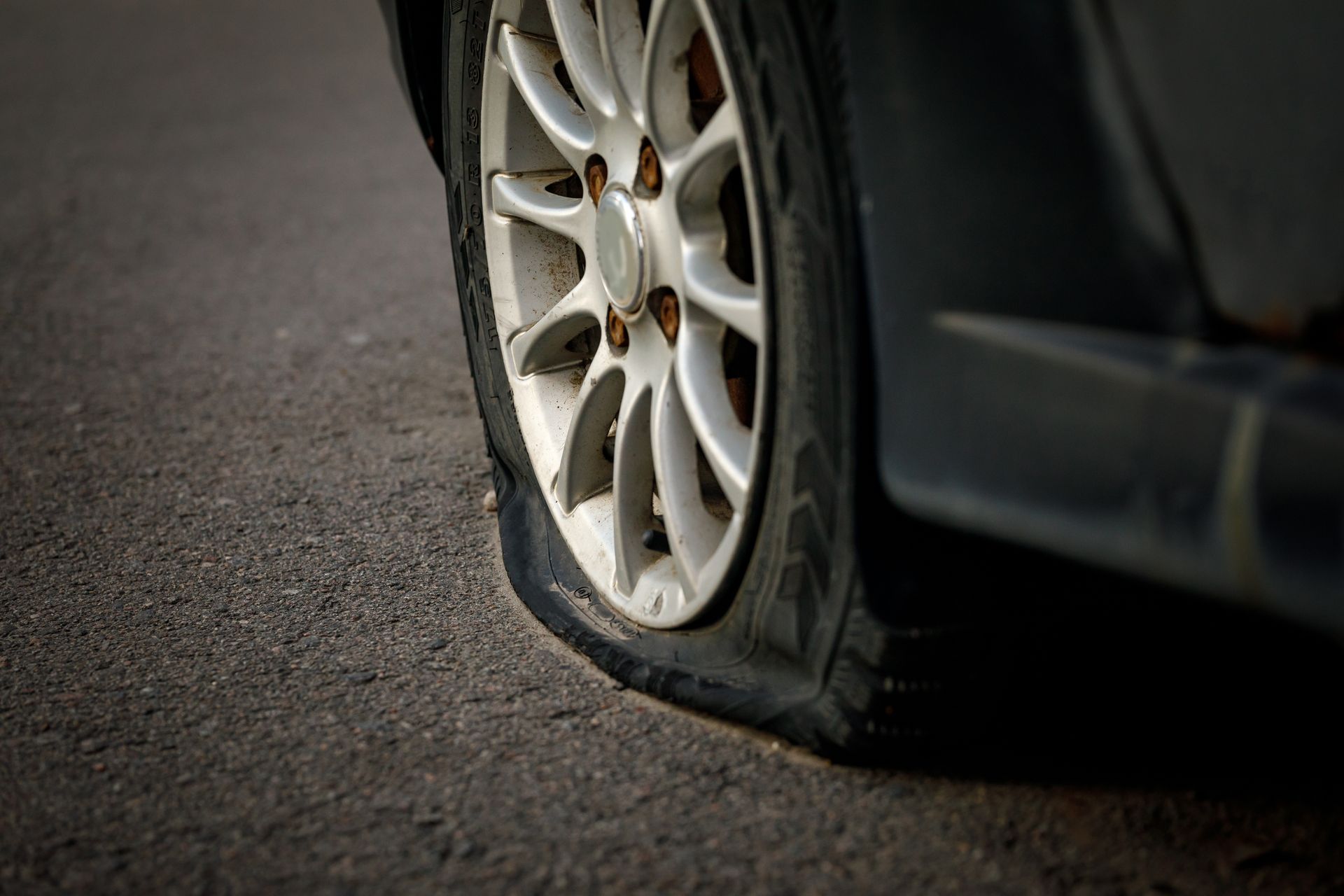
- visible tire bulging or flattening
- uneven tread wear
- frequent tire pressure alerts
Addressing these signs early helps prevent roadside problems.
Seasonal Tire Maintenance Prevents Roadside Emergencies
Routine spring vehicle maintenance reduces the risk of breakdowns and unexpected towing situations. Tire pressure checks play a key role in overall vehicle safety and reliability.
Drivers who stay proactive are less likely to experience tire related failures during everyday travel.
Staying Road-Ready as Temperatures Rise
As Pennsylvania weather warms, checking tire pressure becomes a simple but critical safety step. Proper inflation improves handling, efficiency, and tire lifespan while reducing the risk of breakdowns. When tire issues do occur, Murray’s Towing provides dependable roadside assistance and towing services to help drivers get back on the road safely throughout every season.
Murray's Towing Blog