Uncovering the Root Cause of Blown Tires: How Under-Inflation Causes Sudden Tread Shearing
Few behind-the-wheel experiences are as universally terrifying as a sudden, high-speed tire failure. One moment you are traveling smoothly down the highway, and the next you are startled by an explosive boom, a violent pull on the steering wheel, and a desperate struggle to maintain vehicle control as you navigate toward the shoulder. While unexpected road hazards and sharp punctures are frequently blamed for these events, the true catalyst behind a catastrophic blowout usually begins long before the rubber actually breaches.
In a massive percentage of highway incidents, the underlying culprit is driving on under-inflated tires. Operating a vehicle below the automobile manufacturer's exact specified air pressure changes the entire structural profile of the wheel assembly. This seemingly minor maintenance oversight triggers intense thermal strain and rapid structural degradation that leaves your vehicle highly susceptible to sudden tire failure. Understanding the physics of how low air levels compromise your vehicle allows you to spot early warnings, bypass dangerous tire blowouts, and keep your passengers secure.
The Mechanical Consequences: What Happens When Tires Are Under-Inflated
Every tire is engineered to operate within a specific, rigid pressure range to ensure the vehicle's weight is distributed evenly across the tread footprint. When a tire is starved of proper air volume, its structural integrity is deeply compromised. Without sufficient internal pneumatic pressure to hold its shape, the tire sags, causing the rubber sidewalls to flex excessively with every single rotation of the wheel.
This extreme, unnatural flexing changes the tire's interface with the asphalt. Instead of rolling cleanly, the flattened rubber creates an immense amount of internal and external friction. As the miles stack up, this relentless mechanical distortion builds a tremendous reservoir of heat inside the internal carcass. Unlike superficial exterior tread wear, this thermal destruction develops silently within the steel belts and plies, leaving the driver completely unaware of the developing danger until the structural core of the wheel gives out entirely.
Heat Generation and the Chaos of Tread Separation
In the automotive world, extreme thermal buildup is the absolute leading cause of rapid tire degradation. Tires are constructed using highly specialized vulcanized rubber compounds wrapped around internal steel cords and nylon belts. These distinct layers are bonded together using industrial adhesives designed to withstand standard driving conditions, but they break down quickly under intense, localized heat.
The Breakdown of the Internal Bonds
- Adhesive Failure: When a tire runs hot due to chronic under-inflation, the internal temperature easily surpasses safe operational thresholds, causing the inner adhesive layers to liquefy and fail.
- Structural Disintegration: As the bonding agents dissolve, the internal steel belts begin to separate from the outer casing, a highly destructive failure known as tread separation.
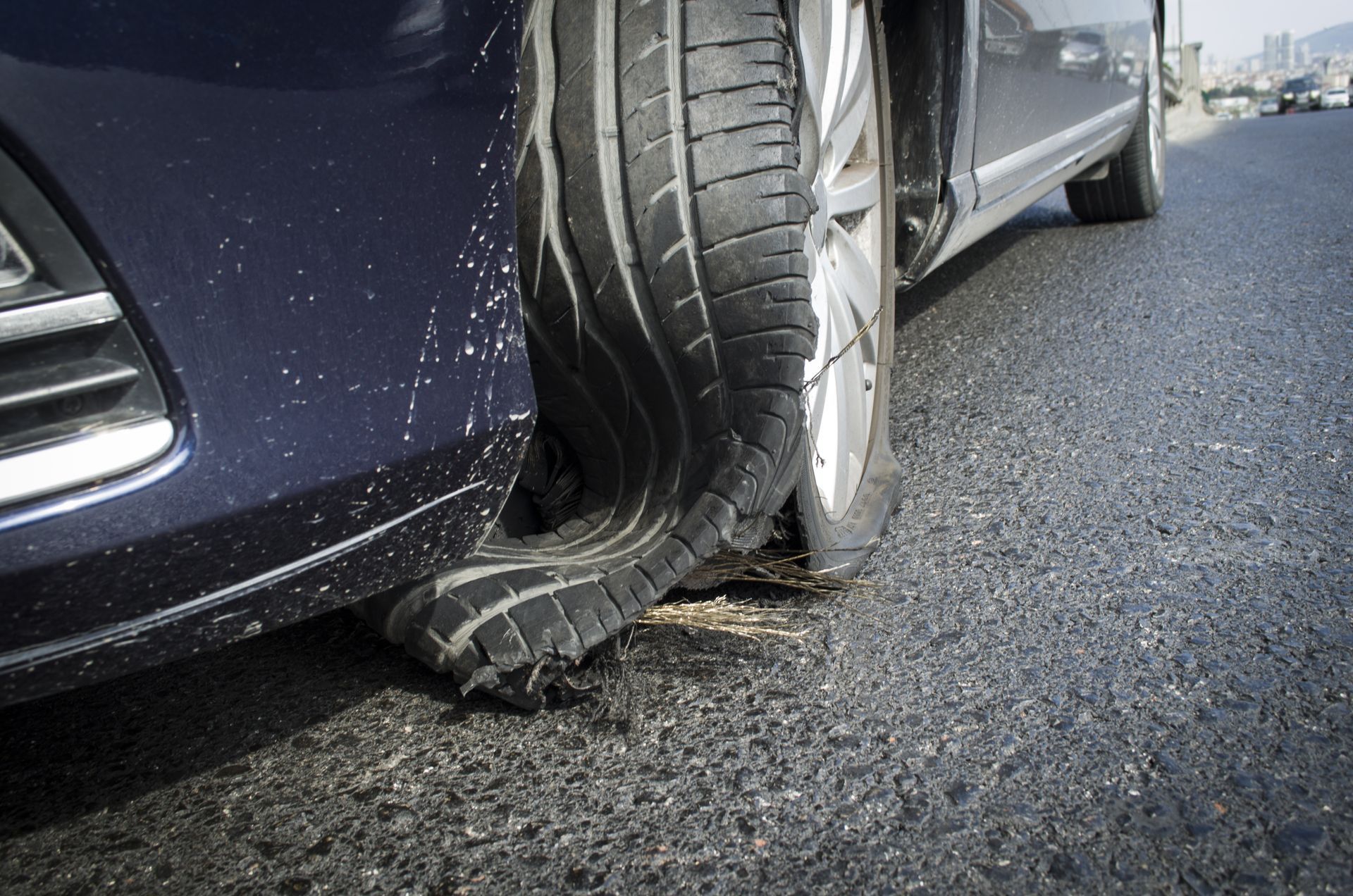
- Catastrophic Shearing: Once separation begins, the high centrifugal forces generated at highway speeds cause the outer tread layer to violently tear away from the casing, resulting in an instant blowout.
This chain reaction is exceptionally dangerous during long-distance summer road trips, where hot asphalt and heavy cargo loads combine to accelerate internal rubber delamination.
Why High-Speed Highway Driving Amplifies the Risk
The overwhelming majority of severe tire failures occur on interstates and major highways, and this is directly linked to the laws of thermodynamics. When a vehicle transitions from low-speed city driving to highway speeds, the tires rotate at an exponentially faster rate, multiplying the frequency of the internal sidewall flexing. If the tire is already structurally weakened by low pressure, the rapid rotation acts like an economic accelerator for heat generation.
The combination of sustained vehicle velocity, heavy curb weight, and intense road friction creates a hostile environment that a structurally compromised tire simply cannot survive. Within a short stretch of high-speed travel, a small internal belt separation can rip across the entire circumference of the wheel. This highlights why checking your air pressure is an absolute necessity before initiating any long-distance highway trip.
Recognizing the Visual and Physical Warnings of Low Pressure
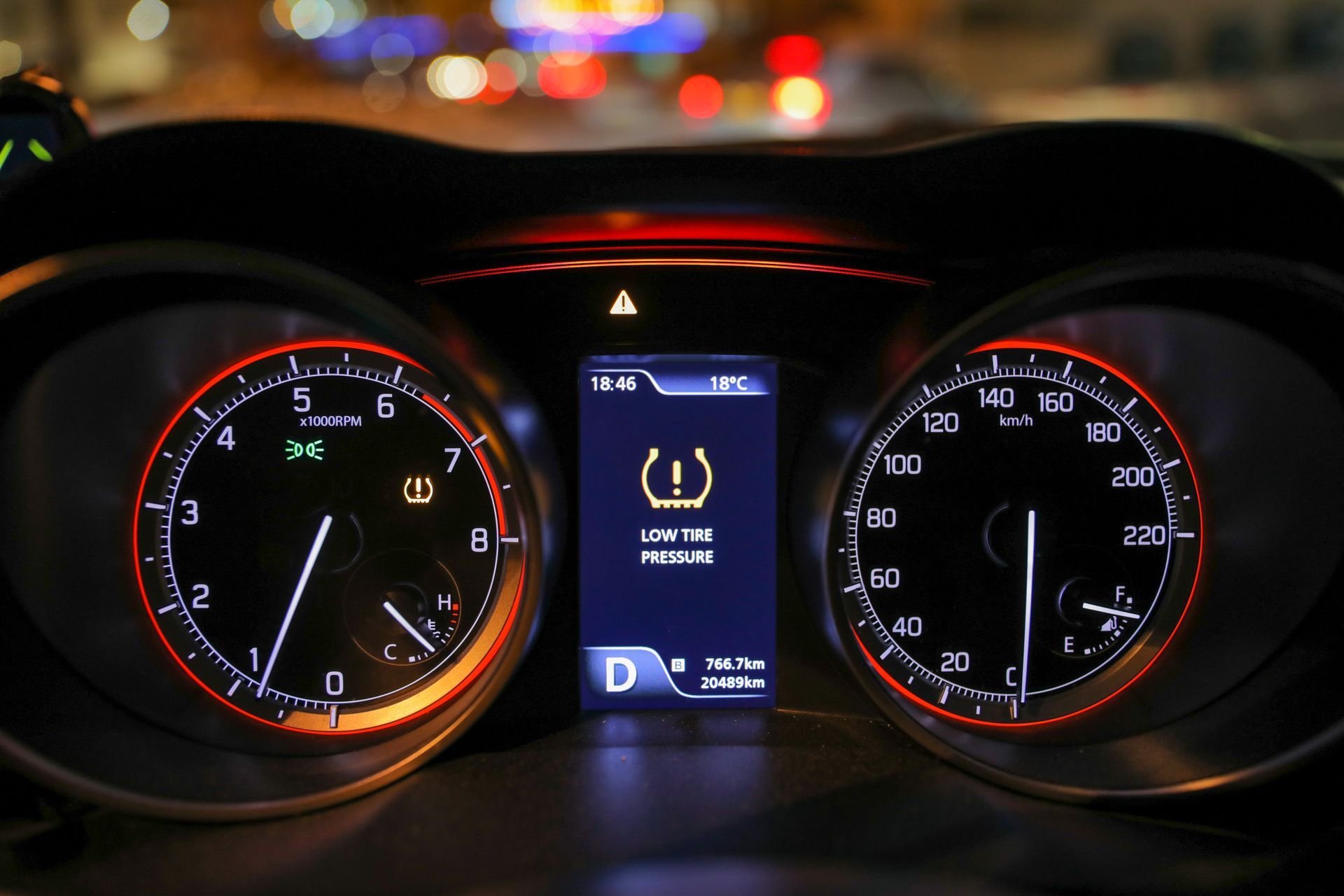
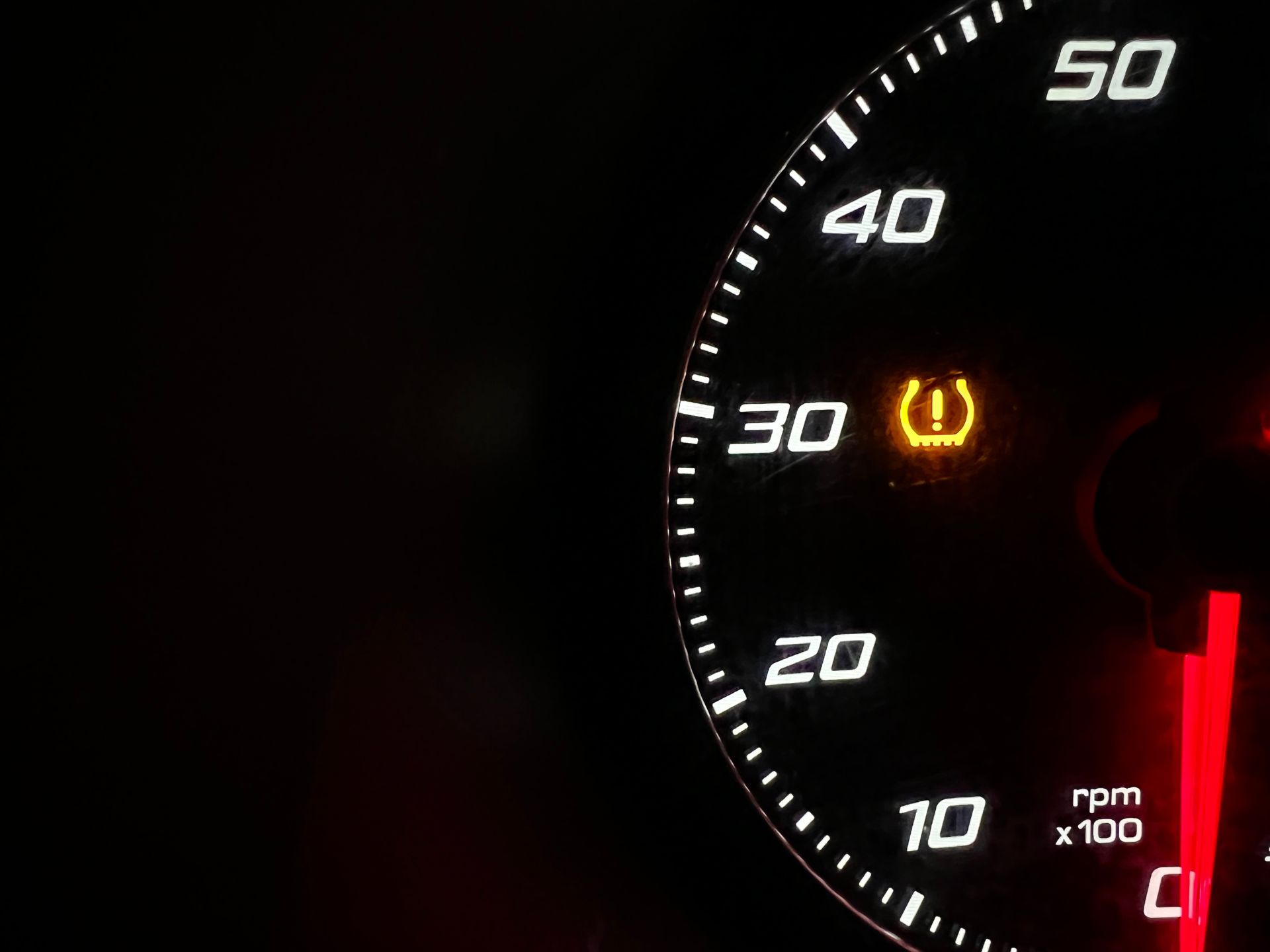
Fortunately, a vehicle will almost always display distinct physical indicators well before an absolute structural blowout takes place. Drivers must remain highly attentive to early warning alerts, starting with the illumination of the dashboard Tire Pressure Monitoring System (TPMS) light. Additionally, if you notice your vehicle demonstrating a sluggish or heavy steering response, an unexplained drop in your fuel economy, or an unusual vibration through the steering column, your tires are likely starving for air.
On the exterior of the vehicle, perform regular visual inspections. Look for a noticeable outward bulging of the tire sidewalls where the rubber meets the rim, or look for uneven tread wear concentrated exclusively along the outer shoulders of the tire. Ignoring these cumulative symptoms dramatically increases your risk of experiencing a sudden, high-risk roadside breakdown.
Simple Preventative Habits for Year-Round Safety
Defending your vehicle against a catastrophic blowout is a straightforward process that requires minimal time and basic tools. Make it an absolute rule to test your tire pressure at least once per month using a reliable, dedicated digital pressure gauge. Always take these measurements in the morning when the tires are cold, as driving even a few miles heats up the air inside and provides an artificially high reading.
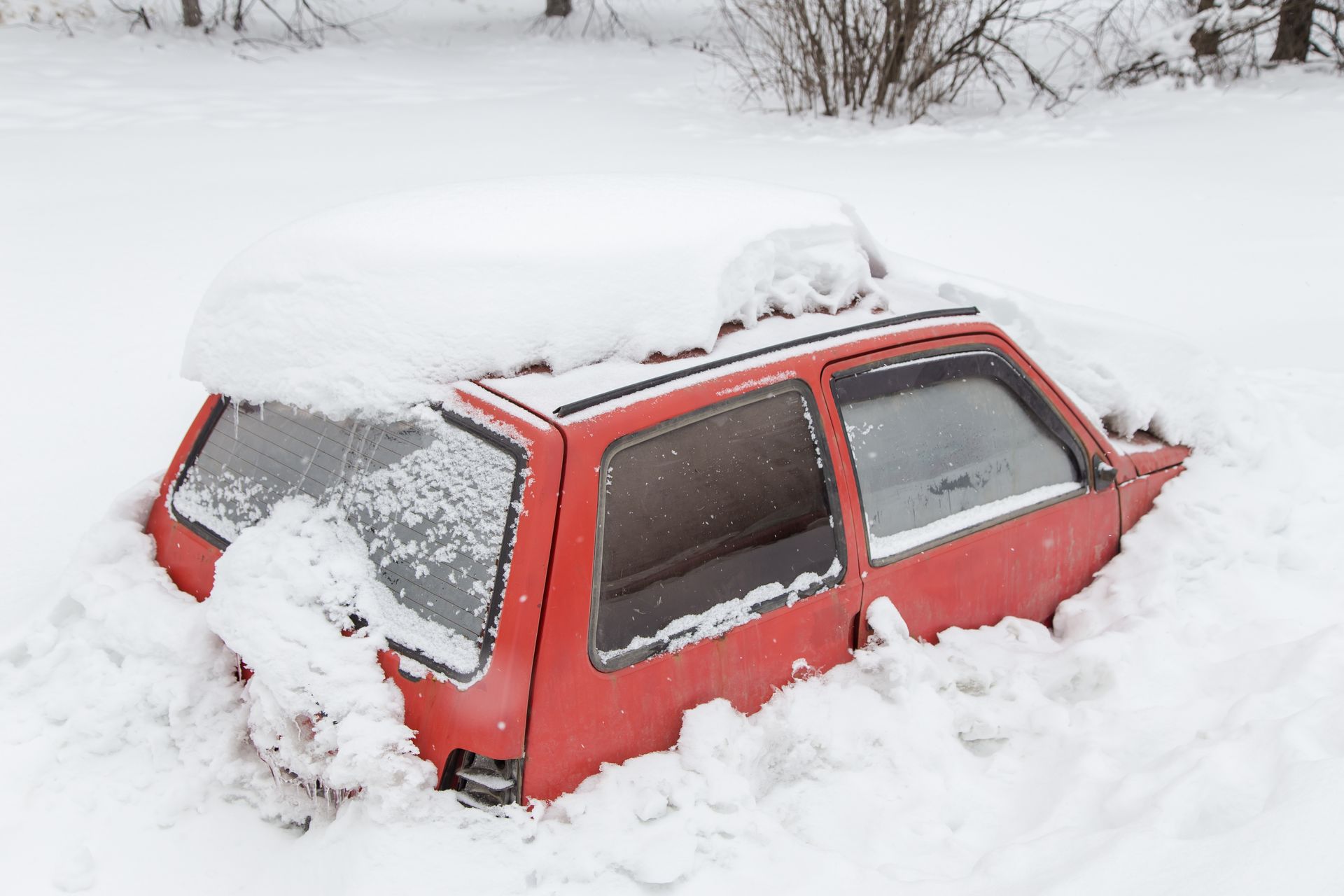
Furthermore, remember that tire pressure fluctuates naturally alongside seasonal temperature drops. For every 10-degree dip in ambient outdoor temperature, a tire will naturally lose roughly one pound per square inch (PSI) of pressure. This means a tire that was perfectly inflated during a warm autumn afternoon can easily become dangerously under-inflated when the first major winter freeze hits the region, requiring manual intervention to stay within safe limits.
Navigating a Sudden Blowout and Securing Roadside Assistance
If you find yourself experiencing a sudden tire blowout while traveling at high speeds, your immediate physical reaction will dictate your safety. The most common mistake drivers make is panicking and slamming on the brakes, which instantly causes the vehicle to fishtail and slide out of control. Instead, maintain a calm mindset, lock your hands into a firm grip on the steering wheel to counteract the physical pull, and gently ease off the accelerator pedal to let the vehicle slow down naturally using its own momentum. Once the car has decelerated to a manageable speed, slowly guide it across the lanes onto a wide, level shoulder completely clear of active traffic.
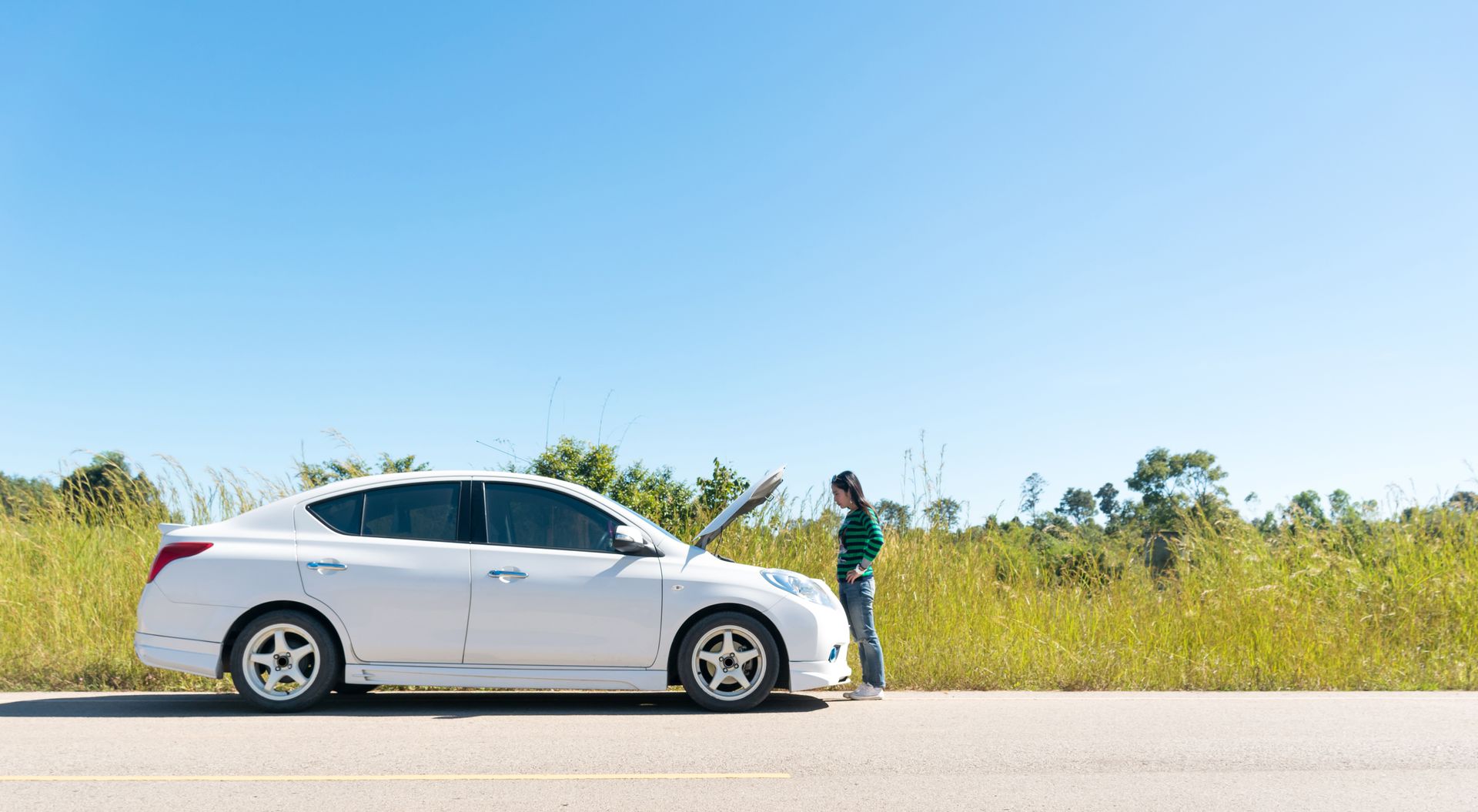
Once your vehicle is parked safely on the roadside, step away from the active lanes and call for professional support. Attempting to change a shredded tire on a narrow highway shoulder is an exceptionally high-risk task. Utilizing an insured, commercial roadside assistance provider ensures the incident is managed with proper safety lighting, high-tonnage jacks, and professional expertise.
At Murray's Towing, we provide ultra-reliable, 24/7 emergency vehicle recovery, heavy towing, and specialized roadside intervention across the region. Our experienced operators are fully equipped to handle dangerous highway scenes, swap out your damaged wheel with a spare, or safely transport your vehicle to a certified repair facility. Protect your vehicle and your peace of mind—save our emergency towing contact information in your phone today, or explore our comprehensive emergency towing services to keep your vehicle protected on every journey.
What is the number one leading cause of a highway tire blowout?
The most frequent cause of catastrophic tire failure is driving on under-inflated tires. Low air pressure forces the tire sidewalls to flex excessively, generating immense internal friction and heat that destroys the internal structure of the tire.
How exactly does low tire inflation cause the tread to separate?
When a tire operates hot due to under-inflation, the extreme internal thermal buildup liquefies the specialized bonding agents that hold the internal steel belts and outer rubber layers together. This causes the tread to peel away from the carcass.
How often should a driver manually check their vehicle's tire pressure?
For maximum road safety, automotive experts recommend manually checking your tire pressure at least once a month and executing a thorough pressure inspection before embarking on any long-distance highway road trip.
Why does my tire pressure warning light activate during a sudden cold snap?
Air pressure is directly tied to ambient temperatures. When the weather drops significantly, the air inside your tire contracts, causing a drop of roughly 1 PSI for every 10-degree drop in temperature, which can easily trigger a dashboard warning.
What should I do immediately if my tire blows out while driving?
Do not stomp on the brakes. Grip the steering wheel firmly with both hands to maintain a straight trajectory, ease your foot completely off the gas pedal to slow down gradually, and slowly steer your vehicle onto a safe area away from traffic.
Murray's Towing Blog