What to Do If You Break Down: 5 Steps to Stay Safe on the Shoulder.
Breaking down on the side of the road can be stressful, especially in heavy traffic, bad weather, or unfamiliar areas. In those moments, knowing what to do next can make a major difference in your safety and the safety of everyone in your vehicle.
A lot of drivers panic after a breakdown and make quick decisions that actually increase risk. The good news is that staying calm and following a few important steps can help you stay safer while waiting for assistance.
If your vehicle suddenly stops working, here are the most important things to do immediately.
1. Move Your Vehicle to a Safe Location
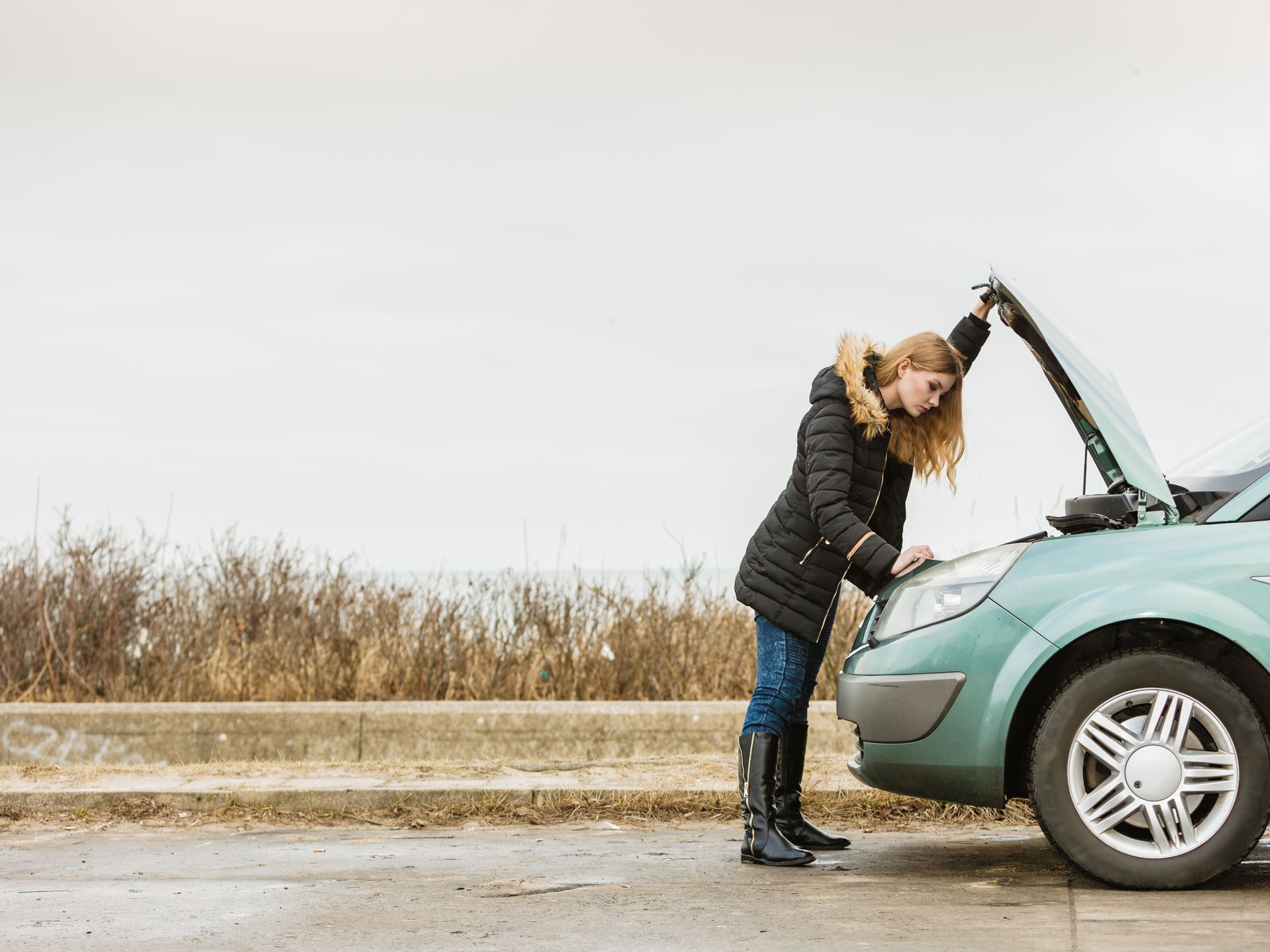
If possible, carefully guide your vehicle out of active traffic and onto the shoulder.
The goal is to:
- create distance from moving vehicles
- avoid blind curves
- stay visible to other drivers
Try to stop:
- on a wide shoulder
- in a parking lot
- near an exit ramp
- away from hills or sharp turns
Even moving a few extra feet can improve safety significantly during a vehicle breakdown.
2. Turn on Your Hazard Lights Immediately
One of the first things you should always do after a car breakdown is activate your hazard lights.
Hazards help:
- alert other drivers
- improve visibility
- reduce the chance of collisions
- signal that your vehicle is disabled
If visibility is poor, hazard lights become even more important.
At night or during storms, visibility drops quickly, making roadside safety much more dangerous.
3. Stay Inside the Vehicle When It’s Safe
Many people instinctively get out of the car immediately after breaking down. In reality, staying inside is often safer, especially on busy highways.
You should generally remain inside the vehicle when:
- traffic is moving quickly
- there is limited shoulder space
- weather conditions are dangerous
- visibility is low
Keep seatbelts fastened while waiting for roadside assistance.
However, if your vehicle is smoking, leaking fuel, or stopped in an unsafe location, move to a safer area away from traffic immediately.
4. Call for Professional Roadside Assistance
Once you are in a safer position, contact a trusted towing service or roadside assistance provider.
Professional assistance helps with:
- towing
- jump starts
- lockouts
- tire changes
- fuel delivery
Avoid accepting help from strangers unless absolutely necessary, especially at night or in isolated areas.
A reliable emergency towing service can get you off the road safely and reduce additional stress during the situation.
5. Stay Aware of Your Surroundings
Even after help is on the way, it is important to stay alert.
Pay attention to:
- approaching traffic
- weather conditions
- suspicious activity
- changing road conditions
If you feel unsafe while waiting, contact local authorities or move to a more populated area if possible.
Situational awareness is one of the most overlooked parts of roadside safety.
Why Roadside Breakdowns Can Become Dangerous Quickly
A disabled vehicle creates risk almost immediately, especially on highways.
Common dangers include:
- distracted drivers
- reduced nighttime visibility
- narrow shoulders
- bad weather
- secondary collisions
This is why acting quickly and calmly matters so much after a breakdown.
What Every Driver Should Keep in Their Vehicle
Being prepared before a breakdown happens can make the situation far less stressful.
Helpful items include:
- flashlight
- phone charger
- reflective triangles
- bottled water
- jumper cables
- emergency blanket
A small emergency kit can make a major difference while waiting for help.
Staying Calm Is One of the Most Important Steps
One of the biggest safety advantages during a breakdown is simply remaining calm.
Panic often leads to:
- unsafe decisions
- standing too close to traffic
- forgetting hazard lights
- attempting risky repairs
A calm approach helps you think clearly and stay safer until assistance arrives.
Know What to Do Before It Happens
Most drivers do not think about roadside safety until they are already stuck on the shoulder. Understanding these steps ahead of time can help you react faster and make smarter decisions during an emergency.
Murray's Towing provides dependable roadside assistance and emergency towing service support to help drivers stay safe and get back on the road as quickly as possible.
What should I do first if my car breaks down?
Move your vehicle to a safe location and turn on your hazard lights immediately.
Should I stay inside my vehicle after a breakdown?
Usually yes, especially on busy highways or in poor weather conditions.
Why are hazard lights important during a breakdown?
They improve visibility and warn other drivers that your vehicle is disabled.
What should I keep in my car for emergencies?
Flashlights, chargers, jumper cables, reflective triangles, and water are helpful emergency items.
When should I call a towing service?
If your vehicle is unsafe to drive or cannot be restarted safely.
Murray's Towing Blog