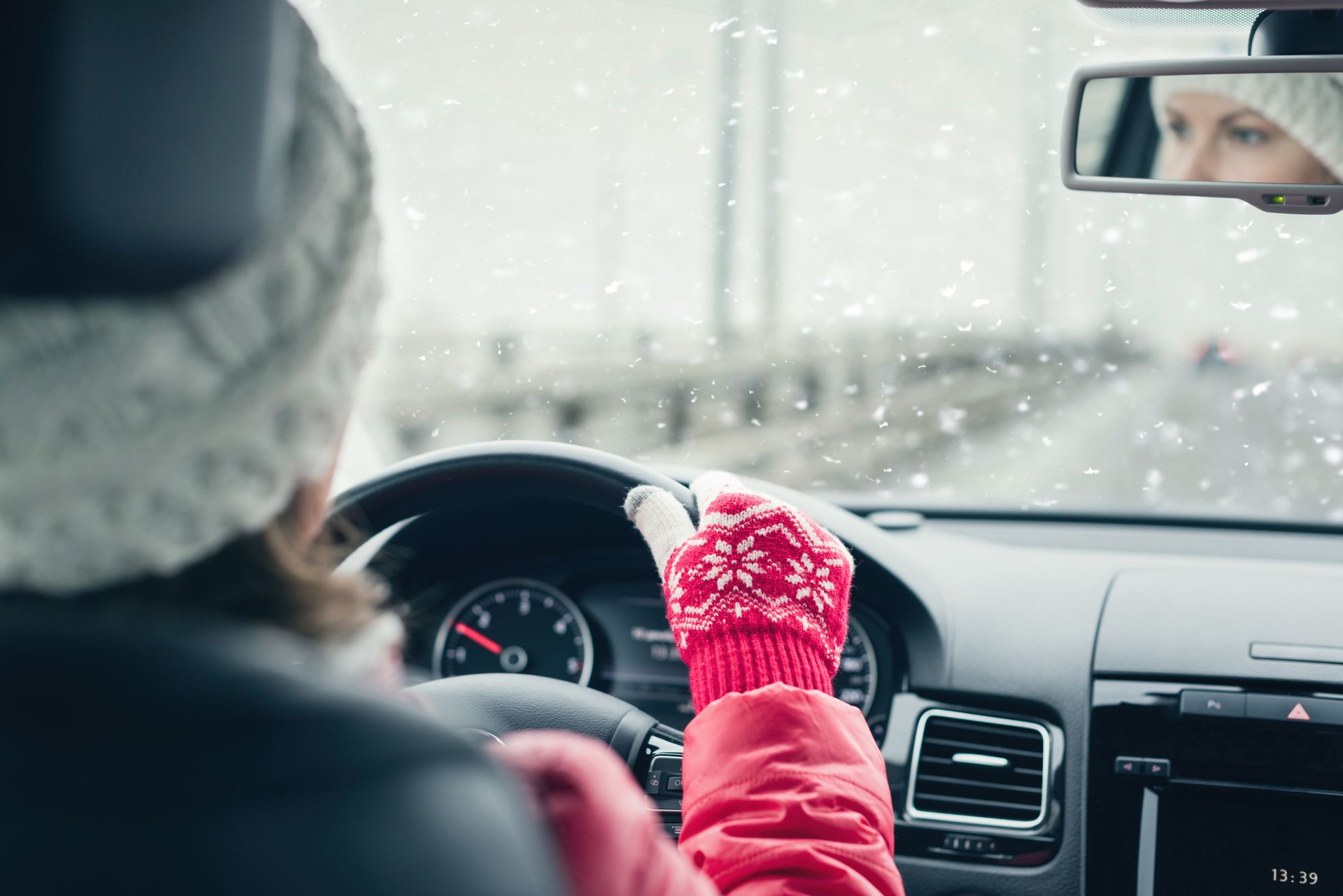
How Does Cold Weather Affect Tire Pressure?
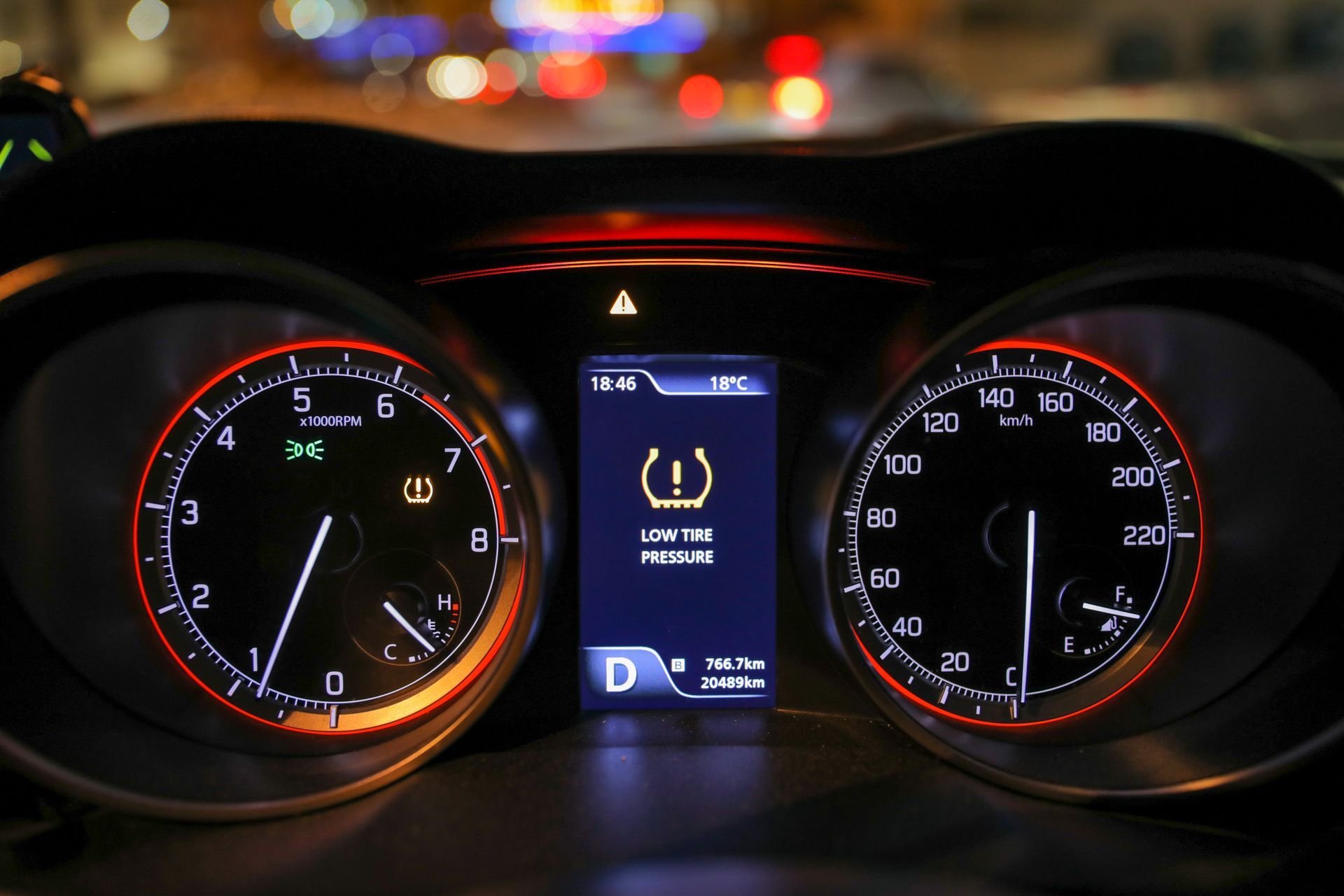
As temperatures drop, many drivers notice their dashboard alerts lighting up with low tire pressure warnings. This is one of the most common winter car issues, and understanding why it happens helps keep you safer on the road. Cold air has a direct impact on tire pressure, and ignoring it can lead to reduced traction, poor fuel efficiency, and unexpected roadside problems. Knowing what to look for during winter driving conditions helps you stay prepared and avoid unnecessary stress.
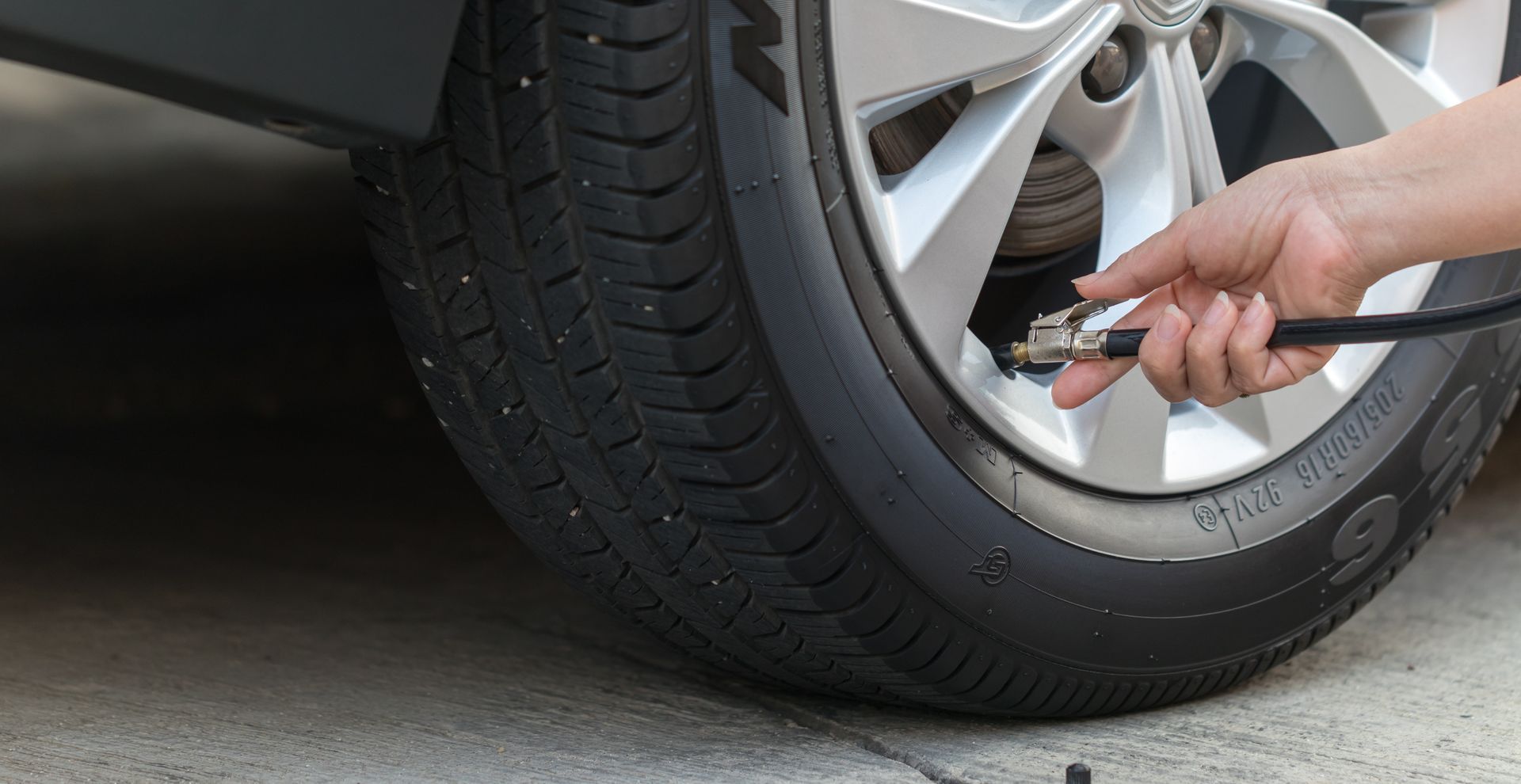
Why Tire Pressure Drops in Cold Weather
Tire pressure is closely linked to temperature. When the air around you gets colder, the air molecules inside your tires contract. This reduces the internal pressure and often triggers your low pressure sensor. Research shows that for every ten degree drop in temperature, tires can lose about one pound of PSI. This natural process occurs even when your tires are in perfect condition.
Understanding this relationship helps drivers recognize why winter tire maintenance is essential throughout the season.
How Low Tire Pressure Affects Your Vehicle
Reduced Traction
Underinflated tires have less surface contact with the road, which reduces grip. This becomes especially dangerous on icy or snowy roads where traction is already limited.
Poor Fuel Efficiency
Low tire pressure causes your vehicle to work harder, increasing fuel consumption. Maintaining proper pressure helps keep gas mileage consistent during colder weather.
Uneven Tire Wear
Driving with low pressure can cause outer edges of the tire to wear down faster. Over time, this leads to costly replacements and reduced performance.
Increased Risk of Blowouts
While rare in winter, long term underinflation weakens tire structure and increases the risk of sudden damage.
These risks highlight the importance of regularly checking your tire pressure during the winter months.
How Often Should You Check Tire Pressure in Winter?
Cold weather calls for more frequent monitoring. Most experts recommend checking your tires at least once every two weeks during the winter, especially after major temperature drops. Drivers who commute often or travel on icy roads may need to check even more frequently. Using a reliable pressure gauge is one of the easiest ways to stay ahead of potential issues.
High volume searches for winter driving safety consistently highlight tire pressure as a top factor in preventing accidents and breakdowns.
What You Can Do to Protect Your Tires This Season
- Check PSI when tires are cold for accurate readings
- Follow your vehicle's recommended pressure levels
- Add air as soon as the low pressure light turns on
- Inspect your tires for visible wear, cracks, or bulges
- Consider switching to winter tires for improved performance
- Schedule routine maintenance before long winter trips
Consistent attention to your tires helps reduce the likelihood of breakdowns and roadside emergencies.
When to Call for Help
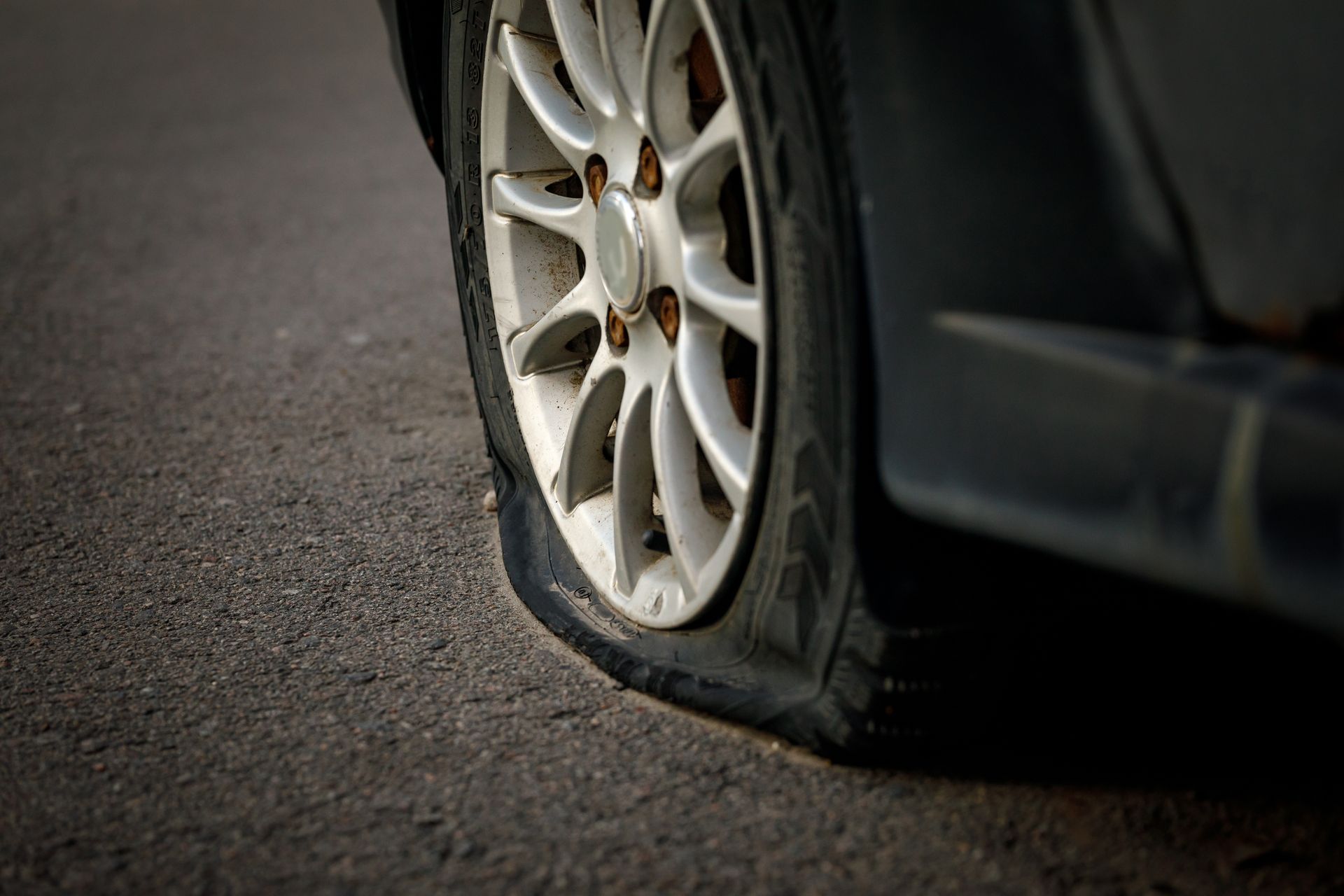
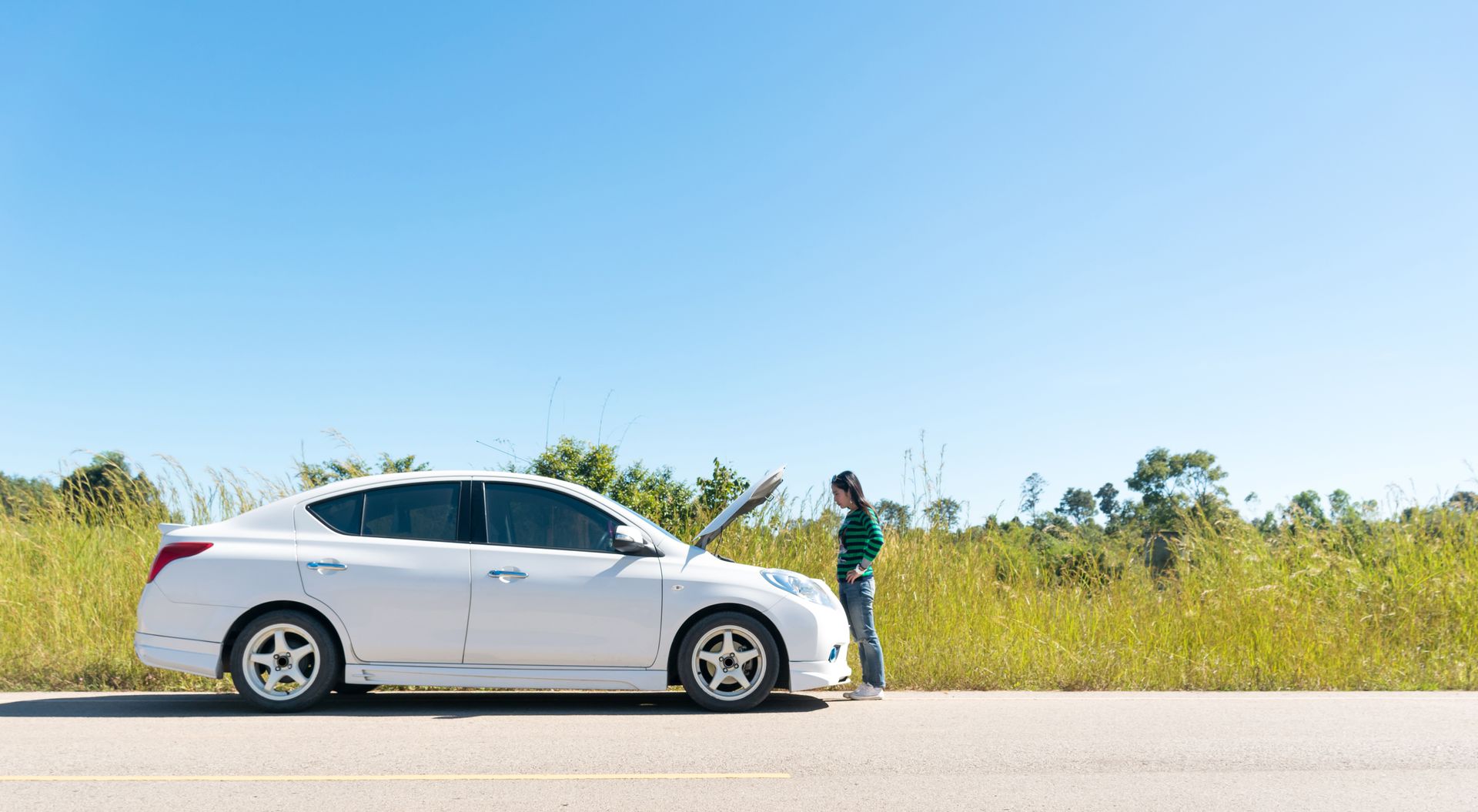
Even with regular maintenance, winter conditions can still cause sudden tire issues. If you find yourself with a flat tire, a slow leak, or an unexpected breakdown, professional assistance is the safest choice. A reliable towing service can help you quickly and safely get back on the road.
Conclusion
Cold weather has a significant impact on tire pressure, and staying aware of these changes keeps you safer throughout the winter driving season. Whether you need tire help, roadside assistance, or towing support, Murray's Towing is here to respond quickly and get you back on the road with confidence.
Murray's Towing Blog