HOW FREEZE-THAW CYCLES DAMAGE VEHICLES
WHY FREEZE-THAW CYCLES ARE TOUGH ON YOUR VEHICLE
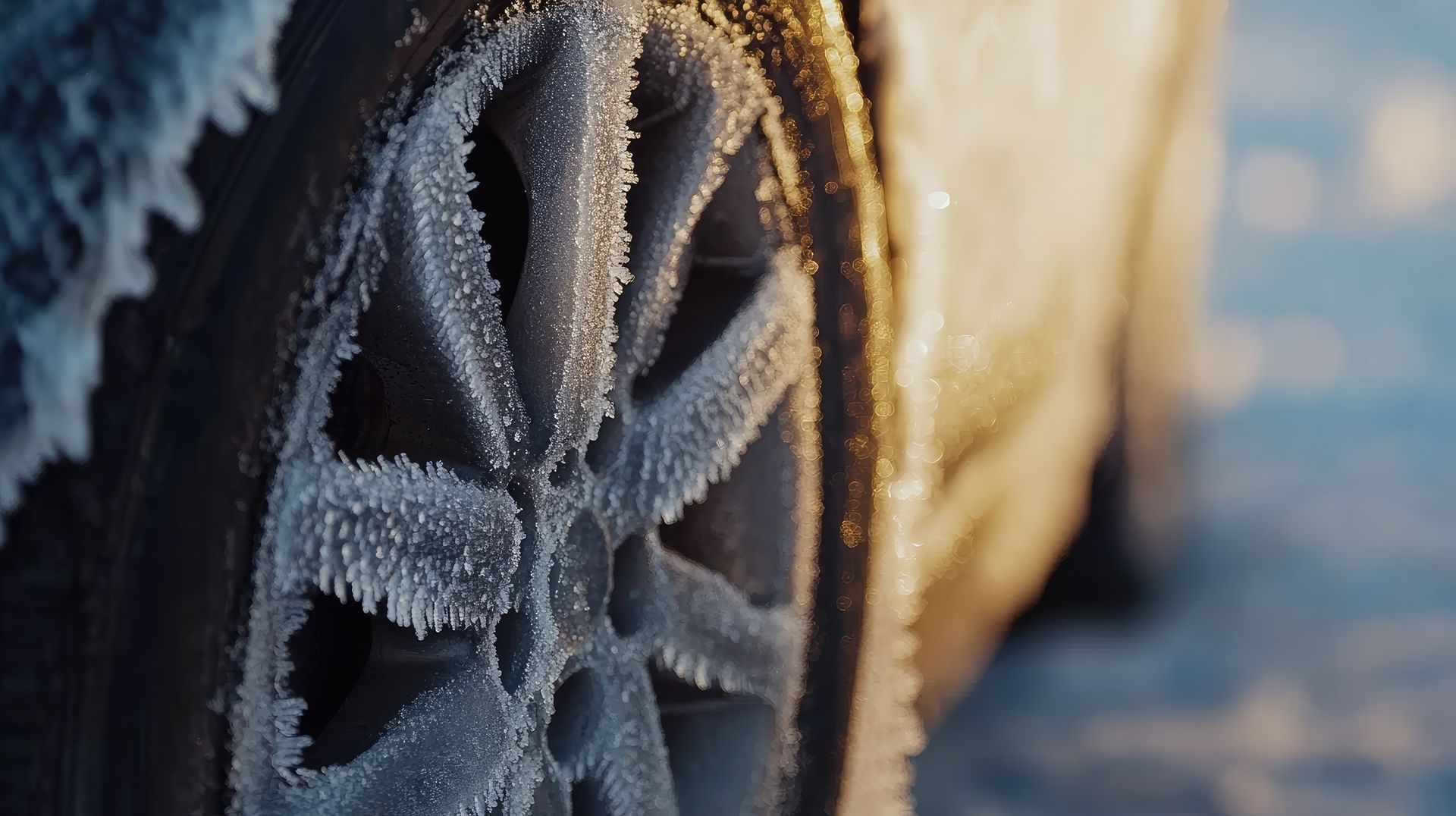
In Northeast Pennsylvania, winter is not just about snow. One of the biggest threats to your vehicle is the constant freeze-thaw cycle, when temperatures rise above freezing during the day and drop again at night. That repeated expansion and contraction, combined with moisture and road chemicals, can cause gradual damage that adds up fast.
At Murray’s Towing, we help drivers across the Poconos deal with the real consequences of winter driving, from breakdowns and dead batteries to slide-offs and roadside emergencies. Knowing what freeze-thaw cycles can do to your vehicle helps you prevent costly repairs and stay safer on the road.
COMMON WAYS FREEZE-THAW CYCLES DAMAGE CARS AND TRUCKS
Freeze-thaw conditions create repeated stress on vehicle components, especially when moisture gets into small gaps and then expands as it freezes.
Here are the most common problems:
- Rust and Corrosion: Moisture, slush, and road salt cling to the undercarriage. As temperatures shift, that wet coating keeps reappearing and can accelerate corrosion on brake lines, exhaust components, suspension parts, and frames.
- Pothole Damage and Tire Issues: Freeze-thaw cycles are a major reason potholes form. Water seeps into cracks, freezes and expands, then thaws and weakens the surface. The result is rough roads that can lead to tire blowouts, bent rims, and alignment problems.
- Brake Wear and Reduced Performance: Slush and salt can build up on brakes and cause premature wear. Inconsistent temperatures also affect stopping performance, especially if rotors or pads are already worn.
- Battery and Electrical Strain: Cold reduces battery capacity, and thawing conditions often add moisture around terminals and wiring. If your battery is weak, the repeated cold starts and temperature swings can push it over the edge.
- Door Locks, Seals, and Latches Freezing: Moisture can work its way into door seals and locks. When it freezes overnight, doors may stick, seals can tear, and latches may fail to open smoothly.
- Windshield Damage: Small chips can expand when temperatures swing. Freezing causes glass to contract, thawing causes it to expand, and cracks can spread quickly.
SIGNS YOUR VEHICLE IS TAKING WINTER DAMAGE
Some freeze-thaw issues are easy to miss until they become urgent. Watch for:
- Pulling or vibration while driving (alignment or tire damage)
- Squealing or grinding brakes
- Slow engine cranking or repeated no-starts
- New rust spots, especially underneath doors or wheel wells
- Steering that feels loose after hitting rough winter roads
- Doors that stick, seals that look torn, or locks that freeze often
If you notice these issues and your vehicle becomes unsafe to drive, professional roadside help can prevent further damage.
HOW TO REDUCE FREEZE-THAW DAMAGE
A few simple habits can lower your risk during Poconos winter swings:
- Wash your vehicle regularly, including the undercarriage, to remove salt and slush
- Keep tires properly inflated and check tread often
- Replace worn wipers and top off windshield washer fluid rated for freezing temps
- Test your battery before the coldest weeks hit
- Fix small windshield chips early before temperature swings spread them
- Avoid deep potholes and drive slower on roads with hidden ice or broken pavement
WHEN TO CALL MURRAY’S TOWING
Freeze-thaw damage can lead to sudden breakdowns, slide-offs, and unsafe driving conditions. If your car will not start, you have a flat from a pothole, you slide into a ditch, or your vehicle becomes disabled in winter conditions, Murray’s Towing is ready to help 24/7 across Northeast Pennsylvania.
Need help right now? Call Murray’s Towing for fast response, safe recovery, and dependable winter roadside assistance in the Poconos.